PhD student

Research
Various industrial activities produce waste, leaving chemical traces in the environment. These traces of synthetic compounds cannot always be decomposed via natural processes and thus persist in the environment. An example of such chemicals are per- and polyfluoroalkyl substances, PFAS, also referred to as “forever chemicals”. Due to their high abundancy, people can get exposed to PFAS through food and drinking water. Epidemiological studies show that such exposure can lead adverse health effects, including dyslipidemia, increased levels of liver cell injury biomarkers, decreased fetal growth and compromised antibody responses to vaccines. However, currently there is no comprehensive understanding of the causality between the levels of PFAS exposure and these health effects. I am interested in how PFAS may affect the immune responses, in particular vaccine-induced immunity. The aim of my PhD project is to unravel the knowledge gaps on how PFAS can skew vaccine-induced protective immunity.
Curriculum Vitae
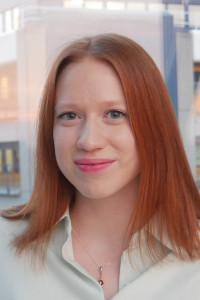
After graduating from Moscow State University with BSc. Biology, specialization Cell Biology and Histology, I moved to the Netherlands to pursue MSc. degree. While studying Life Science and Technology at the Institute of Chemistry of Leiden University, I fell in love with immunology, which defined my choice of Master’s research projects. Thus, I conducted projects “Optimization of human tonsil culture to model CD 4 T cell differentiation” at the Department of Immunology of LUMC and “The effect of single microplastic exposure on innate immune cells in the lungs of HDM-exposed mice” at the Department of Pulmonary Medicine of ErasmusMC. Following my passion for scientific research in immunology, I started my PhD project “Per- and polyfluoroalkyl substances (PFAS) and their impact on vaccine responses in the Netherlands: from epidemiology to mechanism of action” at LUCID in September 2025.
Looking for information on one of our topics, a new place to conduct your research or connect to experienced researchers to join forces with? Feel free to contact us!